Most Aussie players treat the final table as a sprint, but in my years running wagering operations and scaling startups through compliance and exit, I’ve seen it play out more like a negotiated settlement. You’re down to a handful of stacks, blinds climbing every orbit, and the wrong chip commitment at the wrong moment can flip a winning session into a short night. I reckon the difference between a solid read and a costly bluff usually comes down to patience, position, and how well you map the remaining payouts against your own stack depth. Treat the last few tables with the same discipline you’d bring to a retention model – protect the core, avoid overcommitting early, and let the pressure work on the players who can’t sit still.
Reading the Final Table Dynamics
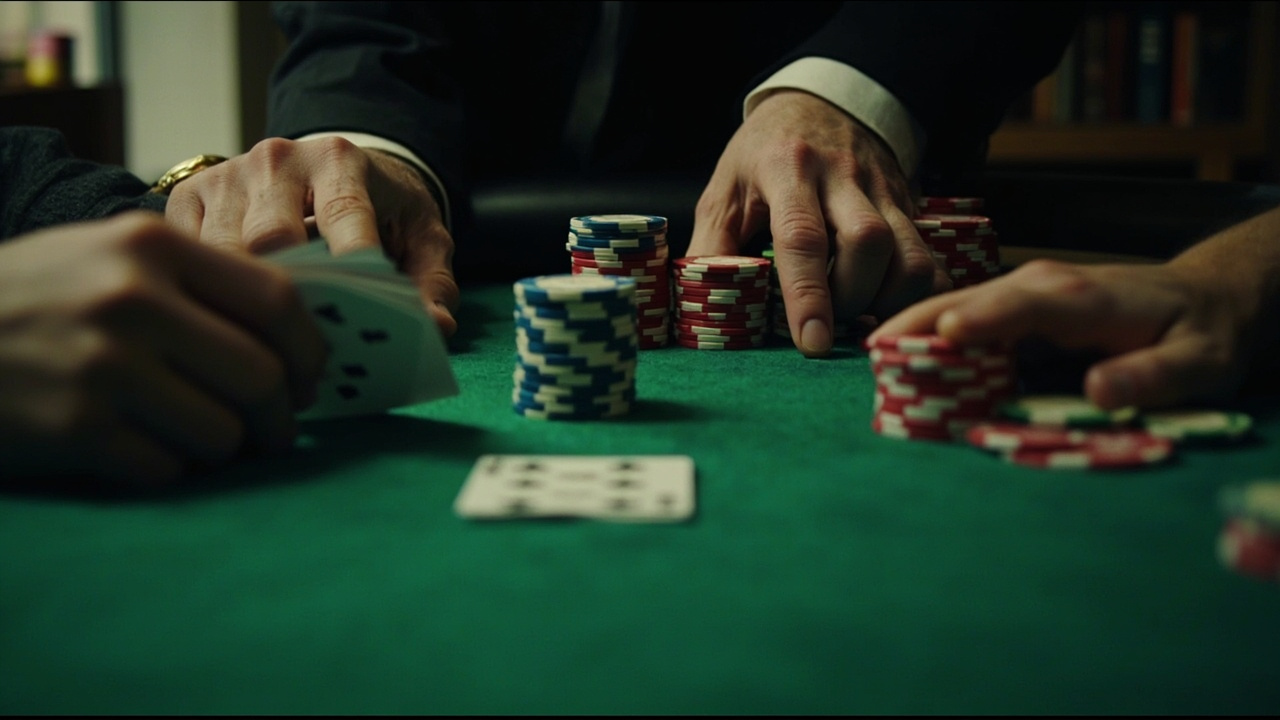
When you’re down to six or fewer players, the game stops being about marginal edges and starts being about stack geometry. The player on the button carries real leverage because they get to act last on every post-flop decision, and that advantage compounds as the blinds grow. I’ve sat through enough late-stage sessions to know that a medium stack in late position can often control the pace without risking much, whereas a short stack pushed into early position is forced to make uncomfortable calls or shoves just to stay alive. At Brisbane weekend tournaments, I’ve watched players misread that dynamic repeatedly – they chase coin flips from early position when a patient fold would preserve enough chips to re-enter properly on the next orbit. The real skill is recognising when the table is tight and when it’s loose enough to steal, then adjusting your aggression accordingly rather than forcing the same line every hand. If you’re tracking how the remaining players handle pressure, you’ll notice that the ones who overplay their top pair early often bleed chips into the mid-stage, and that’s where a disciplined final table strategy starts separating itself from a hopeful one.
| Stack Position | Typical Leverage | Common Mistake | Better Adjustment |
|---|---|---|---|
| Big stack on button | Controls pot size, isolates weak hands | Overplaying marginal holdings out of impatience | Raise selectively, defend selectively, avoid hero calls |
| Medium stack in late position | Can apply pressure without risking elimination | Chasing blinds too aggressively from early position | Steal when folds are likely, fold when resistance is strong |
| Short stack out of position | Limited options, forced into all-in decisions | Waiting too long and facing a crippled effective stack | Look for higher-quality spots, avoid marginal double-ups |
Managing Stack Depth and Blinds
Blind pressure is the engine that turns a comfortable mid-table stack into a fragile final table stack, and the pace of that pressure matters more than most players admit. In the early final table stages, you can still afford to wait for quality hands because the antes haven’t yet turned every orbit into a forced commitment. Once the antes kick in, the math shifts – you’re effectively paying a tax every round, and the longer you sit passively, the more your stack shrinks relative to the blinds. I’ve seen players who would normally play a tight, disciplined game start loosening up out of frustration, and that’s usually the moment they hand their chips to someone who stayed patient. A measured approach means knowing when to widen your stealing range from late position and when to tighten up because the effective stacks have gotten short enough that a bad beat costs you the tournament. If you’re reviewing how a platform structures its tournament lobby and blind schedules, you’ll want a lobby that keeps those blind increments visible and predictable, because unclear blind pacing only adds noise to decisions you’re already making under pressure. That kind of clarity is exactly what you get when you compare tournament setups on a dedicated poker room like vegas-hero-aus.com, where the blind timers and stack displays stay consistent enough to plan your moves without second-guessing the interface. vegas-hero-aus.com
Staying Disciplined When Pressure Builds
The final stretch is where tilt does the most damage, and tilt rarely announces itself – it creeps in after a bad beat, a missed draw, or a long stretch of folding. I’ve worked in compliance and retention long enough to know that the players who last are the ones who treat their own emotional state like a risk variable, not a footnote. When you’re three-handed or heads-up, the temptation to force action grows because the remaining payouts are right there, but forcing action without a real edge is how a winning stack evaporates in a couple of orbits. Chloe Morgan, Customer Experience Lead, Wattle Gaming Partners, has pointed out that players who build a simple pre-decision routine – pause, check stack depth, check position, then act – tend to make fewer reactive moves when the room gets loud. That kind of discipline matters just as much in a tournament as it does in a daily retention model, because the cost of one impulsive shove is often higher than the cost of a dozen disciplined folds. Sophie Lewis, Responsible Gambling Adviser, Southern Cross Gaming Advisory, reminds players that setting a clear exit point before you sit down is not about playing timidly, it’s about keeping the session within a range you can actually manage when the blinds start climbing. If you’re playing on mobile, the same discipline applies, but you also need an interface that doesn’t make quick decisions harder than they need to be – clean navigation, readable stack displays, and a lobby that loads without lag matter more when you’re making time-sensitive calls in the middle of an arvo session. A mobile-first setup should keep the action visible without crowding the screen, because a cluttered layout only adds friction when you’re trying to stay focused on the real variables: position, stack, and the remaining payouts.
Final Fit Verdict
A solid poker final table strategy is less about fancy bluffs and more about stack management, position awareness, and the discipline to wait for spots where the math actually favours you. If you’re the kind of player who can sit through a tough stretch without forcing action, you’ll usually outlast the impulsive players who treat the final table like a rescue mission. If you prefer quick, high-variance decisions and don’t mind folding back into the money a few times before finding a real edge, this late-stage game may feel slower than you’d like. Either way, treat the final table as a measured exercise in risk control, keep your stack depth in view, and let the players who can’t handle the pressure hand you their chips.